When You May Want to Consider a Root Canal
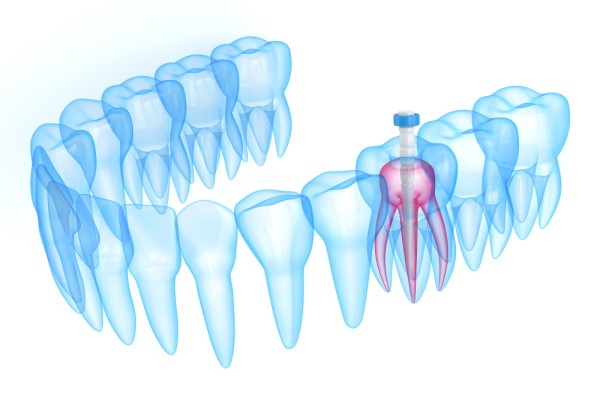
Root canal therapy is a commonly performed dental treatment that is used to treat infection or swelling of the pulp tissues inside a tooth. A tooth’s pulp is the blood vessels and nerves in its innermost layer called the pulp chamber. It is sealed off from the rest of a tooth to protect its sensitive contents from irritants in the mouth like bacteria and saliva.
Dentists typically recommend root canal therapy as a last resort for patients who have teeth with compromised pulp chambers. The procedure has a poor reputation as one of the most painful procedures done by dentists, but that could not be further from the truth since local anesthetics are used to numb the area being worked on during the procedure. Most patients do not feel significant pain during root canals, and the tooth pain that brings people to the clinic is typically gone once the procedure is completed.
Reasons to consider getting a root canal
Some of the reasons why a patient might need a root canal to save a tooth include:
1. Significant tooth decay
Tooth decay is one of the leading reasons people seek dental care, and it does not go away until the issue is addressed. Tooth decay occurs in multiple stages, starting with a demineralization stage that can be reversed with fluoride treatments and ending with the destruction of a tooth.
Root canals are typically recommended as a treatment for tooth decay when the decay is so severe that it opens up the pulp chamber, exposing the soft tissues in it to irritants in the mouth. During the procedure, the decayed parts of the tooth are removed as well as the tissues in the pulp chamber. Medication is inserted into the chamber before sealing it off with gutta-percha.
2. Tooth infection
A tooth infection is another common reason why a dentist might recommend endodontic therapy. Tooth infections typically develop after a tooth’s pulp chamber has been opened up by decay or damage. Bacteria make their way into the pulp chamber, infecting the tissues there.
This often leads to some of the worst toothaches imaginable that make it impossible to concentrate on anything or get any sleep at night. Root canals stop tooth infections in their tracks and help to avoid having to extract the tooth to stop the infection from spreading to areas where it can be life-threatening.
3. Severe structural damage
A tooth’s pulp chamber can be opened up by trauma caused by accidents, hard contact, or slips. Any damage that leaves the pulp chamber open is classified as a dental emergency, and it requires endodontic therapy to save the tooth and prevent infection.
4. Tooth abscess
A tooth infection sometimes spreads beyond the pulp into the soft and bone tissues surrounding a tooth’s root. An infection in these areas is called an abscess, which often requires root canal therapy along with other treatments to rectify.
Let us save your tooth
Root canals bring an end to some of the worst toothaches you can imagine while helping to save damaged teeth. Call or visit our Houston clinic to find out if you need the procedure performed on one of your teeth.
Request an appointment here: https://www.poindexterdental.com or call Poindexter Dental, Inc. at (713) 244-5501 for an appointment in our Houston office.
Check out what others are saying about our dental services on Yelp: Root Canal Treatment in Houston, TX.
Related Posts
An emergency dentist can provide urgent care when a tooth is knocked out during sports, a fall, or another sudden accident. However, to increase the chances of saving the tooth, patients and dentists must act quickly. Knowing what to do before arriving at the dental office can help protect the root surface and improve the…
Dental implants can replace missing teeth, but some patients may need a tooth extraction before treatment begins. This depends on whether a damaged or unhealthy tooth remains in the area where the implant will go. Our general dentist can examine your tooth, gums, and jawbone to decide whether saving the tooth or removing it offers…
A smile makeover offers a fresh start for anyone looking to boost their confidence with a more radiant, balanced appearance. Oftentimes, this transformation involves much more than just a quick fix or a surface-level change. Choosing the right dentist ensures your plan respects the unique anatomy and overall goals.Dream results begin with a healthy foundation…
Periodontics focuses on issues that affect the gum tissues. Periodontic dentists spend much of their time addressing issues like gum disease. Gum health is closely linked to overall health because according to Healthline, gum disease is linked to health problems like heart disease, lung disease, and diabetes.Healthy gums protect your overall health, and they can…