Ask Your General Dentist: What Are Orthodontic Case Factors That Affect Treatment?
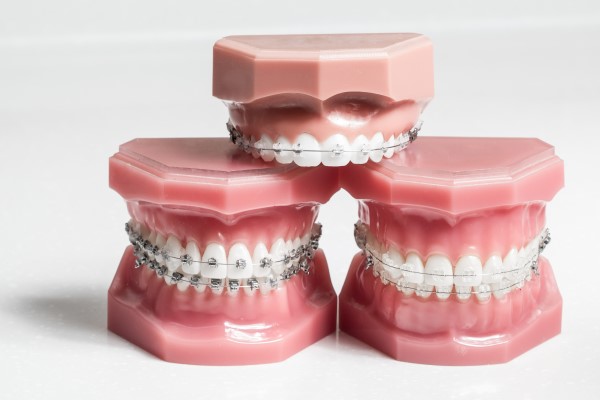
Orthodontic treatment is a key component of having good oral health for most people. There are a lot of different options that one can consider, as dentistry has evolved greatly. However, what goes into the final treatment plan depends on a few factors. Keep reading to learn more about them.
What factors can affect orthodontic treatment
Outlined below are a few orthodontic case factors that may affect treatment. This information should be reviewed by individuals preparing to undergo treatment as it is good to know what could possibly happen later on down the line.
The severity of the orthodontic issue
Whatever the orthodontic issue at hand is will play the biggest role in what type of treatment the general dentist will recommend. Mild to moderate teeth-straightening cases can be addressed with clear aligners. However, moderate to severe issues that involve an uneven bite may require traditional or even clear braces.
Preferences
Another factor that should be taken into consideration is a person's preference, of course! Long ago, traditional braces were the only available option for orthodontic treatment. In today's world, braces are not for everyone because metal wires and brackets fill the mouth, which creates a smile full of metal. Instead, clear aligners are often preferred because they allow for a discreet treatment, drawing little attention to one's smile.
Cost and budget
The cost of orthodontic treatment is a big factor for many. Traditional braces are still the most moderately priced as they require the least amount of customization and materials. Clear aligners, on the other hand, require more modern technology and more material because an entire series is printed. Because of this, it can be more costly than traditional braces.
It is important to consider this factor when looking into treatment options because one's budget plays a role in everyday life. Weighing the costs with the dentist and looking at pricing options can be a helpful way to navigate through the deciding process.
Braces and clear aligners
The case factors above may determine what type of treatment is most suitable. For some, traditional braces may be the best route, especially if the orthodontic issue at hand is severe. On the flip side, clear aligners may make a great choice for someone who has mild crookedness or crowding while wanting to remain inconspicuous.
Braces are the most traditional type of orthodontic treatment option. They can be used for just about any issue at hand, including moderate to major gaps in the teeth, crowding, crooked teeth, and uneven bites. On the other end, clear aligners are a good option for mild to moderate teeth straightening issues, such as crowding and crookedness.
Talk to a general dentist
When needing orthodontic treatment, it is best to consult with a general dentist to get started. The dentist can evaluate the issue at hand and consider the factors that are listed above. From there, a determination of treatment can be made, whether it be braces or aligners. Any questions or concerns about the treatment process and other case factors can be discussed with the dentist. To find out more or to get scheduled for an appointment, reach out today.
Request an appointment here: https://www.poindexterdental.com or call Poindexter Dental, Inc. at (713) 244-5501 for an appointment in our Houston office.
Check out what others are saying about our dental services on Yelp: Orthodontic in Houston, TX.
Related Posts
Seeking a secure, natural-looking way to replace missing teeth often leads individuals to explore dental implants. This modern solution places a titanium post in the jawbone, topped by a lifelike crown, and can offer stability and reliability. However, ensuring that implants heal successfully involves paying close attention to food choices, especially in the days and…
Dental implants provide a long-term solution for individuals who have lost one or more teeth due to injury, decay, or periodontal disease. These implants act as artificial tooth roots, offering stability and durability similar to natural teeth. In recent years, dental implants have become a preferred option for tooth replacement because they preserve the jawbone…
Not only does replacing missing teeth restore the smile’s appearance, but it also enhances oral health and helps preserve the jawbone. Dental implants are a reliable, durable solution for patients who require multiple tooth replacements, as they provide stability and a natural look and feel. There is more than one implant option available, with each…
A tooth extraction can restore oral health when a tooth is beyond repair. Whether you or your child is the patient, it is normal to have questions about this procedure. Learning the answers to five of the most frequently asked questions can help you feel more confident ahead of the procedure and support a smooth…